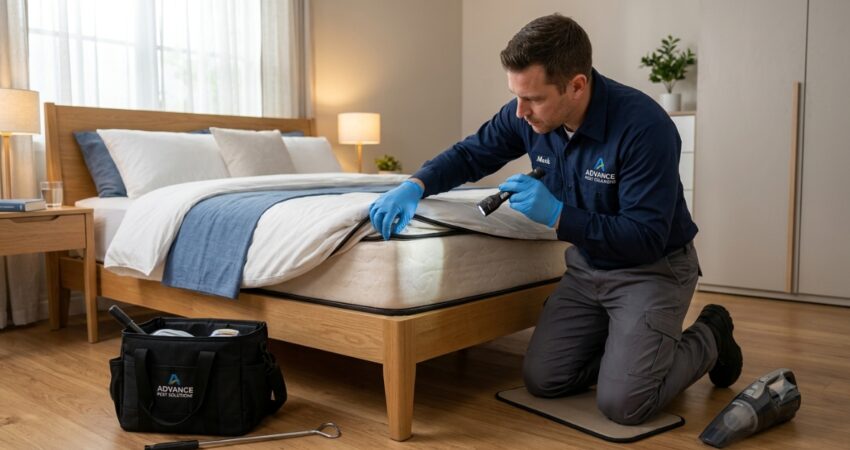
Bed bug infestations can cause itching, disturbed sleep and considerable stress for households and businesses. When dealing with bed bugs in East London, identifying the signs early and arranging professional treatment can prevent the infestation from spreading into additional rooms, furniture or neighbouring properties.
Our experienced bed bug exterminator provide detailed inspections and targeted chemical treatments for homes, flats, hotels, houses in multiple occupations, offices, care facilities and other commercial properties.
Bed bugs are extremely good at hiding. They may remain inside mattress seams, bed frames, skirting boards, furniture joints, cracks and other narrow spaces. For this reason, seeing bite-like marks on the skin does not automatically prove that bed bugs are present. A proper inspection should look for both physical insects and environmental evidence.
What Do Bed Bug Bites Look Like?
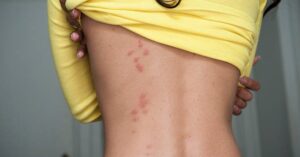
Bed bug bites often appear as small, itchy, red or raised marks. They may occur individually, in small clusters or in a rough line.
Common characteristics may include:
- Red or raised bumps
- Itching and irritation
- Several marks close together
- Bites appearing in a line or cluster
- Marks on skin exposed during sleep
- Swelling around the affected area
Bites are frequently noticed on the arms, legs, hands, shoulders, neck and face. However, reactions vary significantly. Some people develop noticeable marks and intense itching, while others show little or no visible reaction.
It is also important to understand that bite patterns are not a reliable diagnosis by themselves. Mosquito bites, flea bites, allergic reactions and several skin conditions can look similar.
Signs of a Bed Bug Infestation
The best way to confirm an infestation is to inspect the sleeping area and look for physical signs of bed bug activity.
Possible signs include:
- Live bed bugs
- Small dark spots on mattresses or bed frames
- Shed skins
- Tiny pale eggs or eggshells
- Rust-coloured blood marks on bedding
- An unusual sweet or musty smell in a heavy infestation
- Repeated bites appearing after sleep
Bed bugs commonly hide around:
- Mattress seams and labels
- Headboards
- Bed-frame joints
- Divan bases
- Bedside furniture
- Upholstered chairs and sofas
- Skirting boards
- Cracks in walls or flooring
- Areas around electrical fittings
- Luggage and stored belongings
Finding insects, eggs, shed skins or dark spotting is more useful than relying only on skin reactions.
Bed Bugs or Fleas: What Is the Difference?
Bed bug and flea bites may both be itchy and red, but there are some common differences.
Bed bug bites are often noticed after sleeping and may appear on exposed parts of the upper body, arms, neck or legs. Flea bites are more commonly concentrated around the ankles and lower legs, although this is not always the case.
Fleas are often associated with pets or areas where animals rest. Bed bugs are more closely associated with beds, upholstered furniture and sleeping areas.
Because appearance alone is not always enough to identify the pest, a professional inspection provides a more dependable answer.
Why Do Bed Bugs Not Bite Everyone?
Bed bugs may feed on more than one person in the same property, but not everyone develops visible symptoms.
One person may experience severe itching and raised marks, while another person sleeping nearby may have no noticeable reaction. This can create the impression that bed bugs are only biting one individual.
The absence of bite marks does not rule out an infestation. Reactions depend on the individual’s sensitivity and immune response.
Symptoms and Reactions to Bed Bug Bites
Common reactions include:
- Itching
- Redness
- Localised swelling
- Raised bumps
- Minor skin irritation
- Disturbed sleep
- Anxiety or stress
Scratching can break the skin and increase the risk of a secondary infection.
Most bites improve without medical intervention, but a pharmacist may recommend an appropriate treatment for itching or swelling. Speak to a GP when bites remain very painful, swollen or itchy after pharmacy treatment, or when redness or swelling begins spreading. These symptoms may indicate an infection.
Seek urgent medical attention for breathing difficulties, severe swelling or another serious allergic reaction.
How to Care for Bed Bug Bites
Bed bug bite care is separate from eliminating the infestation. Treating the marks will not remove bed bugs from the property.
To care for the affected skin:
- Wash the area gently with soap and water
- Avoid scratching the bites
- Keep fingernails clean and short
- Ask a pharmacist about suitable treatment for itching
- Monitor the area for increasing pain, heat, swelling or discharge
Do not apply pest-control chemicals, household insecticides or cleaning products directly to the skin.
Why Professional Bed Bug Removal Is Important
Bed bugs can hide in extremely small gaps and may spread between rooms through furniture, clothing, luggage and structural openings.
Incomplete treatment can leave insects or eggs behind, allowing the infestation to return. Repeated use of unsuitable shop-bought sprays may also scatter the insects into less accessible areas.
A professional bed bug exterminator can:
- Inspect the affected rooms
- Confirm evidence of bed bug activity
- Assess the extent of the infestation
- Identify likely harbourage areas
- Develop a property-specific treatment plan
- Apply approved professional insecticides
- Provide preparation instructions
- Schedule follow-up inspections or treatments
- Explain how to reduce the risk of reinfestation
Professional treatment is particularly important in flats, hotels and multi-occupancy buildings because bed bugs may spread beyond one room or unit.
Professional Chemical Bed Bug Treatment
Our bed bug removal service uses professional chemical treatment selected according to the property, level of infestation and areas affected.
The treatment normally begins with a detailed inspection. This allows the technician to identify signs of activity and determine where bed bugs are likely to be hiding.
Target areas may include:
- Bed frames
- Mattress seams and surrounding structures
- Divan bases
- Headboards
- Bedside furniture
- Upholstered furniture
- Skirting boards
- Floor edges
- Cracks and crevices
- Other identified harbourage points
Only appropriately authorised pest-control products should be used, and they must be applied according to their approved label instructions.
Residents and businesses will receive instructions explaining how to prepare the property, which areas must remain accessible and when treated rooms can safely be used again.
Why Follow-Up Treatments May Be Necessary
Bed bug infestations are not always resolved by one chemical application.
Eggs may be protected in hidden areas, and newly hatched bed bugs may appear after the first visit. Some bed bug populations may also show resistance to particular active ingredients.
For these reasons, a professional treatment programme may include:
- An initial inspection and chemical treatment
- A follow-up visit to assess remaining activity
- Additional targeted treatment where required
- A final inspection or monitoring stage
Customers should follow all preparation and aftercare instructions. Moving untreated belongings between rooms or applying separate household sprays can interfere with the professional treatment programme.
Bed Bug Removal for East London Homes
Bed bugs can affect any property and are not necessarily a sign of poor hygiene.
We provide bed bug treatment for:
- Houses
- Flats and apartments
- Rented accommodation
- Student housing
- Houses in multiple occupation
- Social housing
- Residential blocks
In shared buildings, early reporting is particularly important. Delayed treatment may allow bed bugs to spread through communal areas, adjoining rooms or neighbouring flats.
Landlords, tenants and property managers should communicate clearly and arrange an inspection as soon as signs are discovered.
Commercial Bed Bug Extermination
Commercial properties can face significant reputational and operational consequences when bed bugs are reported.
Our East London service can support:
- Hotels
- Hostels
- Guest houses
- Serviced apartments
- Care homes
- Student accommodation
- Offices
- Staff accommodation
- Property-management companies
Commercial treatment plans can be organised around occupancy, access requirements and business operations. Discretion, documentation and clear communication are essential throughout the process.
How to Prepare for Chemical Bed Bug Treatment
Preparation requirements vary depending on the property and infestation. Always follow the instructions supplied by your pest-control technician.
You may be asked to:
- Provide access to all affected rooms
- Remove items from beneath beds
- Keep furniture accessible
- Place clothing or bedding in sealed bags
- Avoid moving loose items into unaffected rooms
- Remove pets from treatment areas
- Cover or remove food and personal-care items
- Inform the technician about vulnerable occupants
- Leave the property for the specified period
Do not dispose of furniture or mattresses before receiving professional advice. Moving infested items through a building can spread bed bugs into corridors, vehicles or other rooms.
How to Reduce the Risk of Bed Bugs Returning
After professional treatment:
- Follow all technician instructions
- Attend scheduled follow-up visits
- Avoid bringing discarded furniture indoors
- Inspect second-hand furniture carefully
- Check accommodation when travelling
- Keep luggage away from beds where possible
- Inspect luggage after returning home
- Report recurring signs immediately
- Avoid applying unapproved DIY pesticides
Prompt action is important. A small infestation is generally easier to manage than one that has spread throughout a property.
Why Choose Our East London Bed Bug Exterminators?
Our service focuses on accurate inspection, targeted treatment and clear customer guidance.
Customers choose our bed bug exterminators for:
- Local East London coverage
- Residential and commercial treatments
- Detailed bed bug inspections
- Professional chemical applications
- Discreet appointments
- Clear preparation guidance
- Follow-up treatment plans
- Practical aftercare advice
- Property-specific recommendations
We do not rely on a generic treatment for every property. The programe is adapted to the extent of the infestation and the areas affected.
Book Bed Bug Removal in East London
Have you noticed unexplained bites, dark marks on your mattress, shed skins or live insects?
Do not allow a suspected infestation to spread.
Contact our team to arrange an inspection and professional bed bug removal in East London. An experienced bed bug exterminator will assess the property, explain the recommended chemical treatment and provide clear preparation instructions.
Request your East London bed bug treatment quote today.
Frequently Asked Questions
-
Can you identify bed bugs from bites alone?
No. Bed bug bites can look similar to mosquito bites, flea bites and skin reactions. Finding insects, eggs, shed skins or spotting around the sleeping area provides stronger evidence.
-
How long does chemical bed bug treatment take?
The appointment length depends on the size of the property, the number of affected rooms and the severity of the infestation. Your technician should explain the expected process before treatment begins.
-
Is one chemical treatment enough?
Not always. Follow-up treatments may be necessary because bed bug eggs and insects hidden in inaccessible areas can survive the initial visit.
-
Should I use a shop-bought spray before the exterminator arrives?
Avoid applying additional products unless instructed by the professional treating the property. DIY sprays may interfere with treatment or push insects into other areas.
-
Do I need to throw away my mattress?
Not automatically. A professional should inspect the mattress and furniture before disposal is considered.
-
Are bed bugs caused by poor hygiene?
No. Bed bugs can be introduced through luggage, clothing, furniture and movement between properties. They can affect clean and well-maintained premises.
-
Do you treat commercial properties in East London?
Yes. Bed bug removal can be provided for hotels, hostels, offices, rental properties, care facilities and other commercial environments.
-
When should I seek medical advice for bites?
Speak to a pharmacist for advice about itching. Contact a GP if the bites remain very painful, swollen or itchy, if the affected area is spreading, or if you suspect an infection.