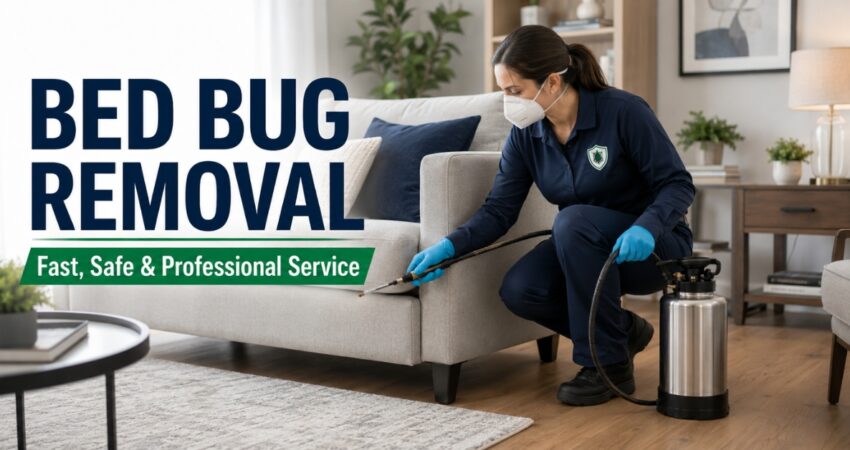
Finding bed bugs in your home can be worrying, uncomfortable and extremely stressful. These insects hide in beds, furniture, skirting boards and narrow structural gaps, making them difficult to eliminate without specialist knowledge.
A professional pest control service for bed bugs can inspect the affected rooms, identify the extent of the problem and provide a targeted chemical treatment programme. Acting quickly is important because an established infestation may spread from one bed to surrounding furniture, adjoining rooms or neighbouring properties.
Our experienced bed bug exterminators provide discreet residential and commercial services, including urgent appointments and emergency bed bug removal when availability allows.
The aim is not simply to spray the visible insects. Effective treatment must address all affected areas, possible harbourages and bed bugs that may hatch after the initial application.

What Are Bed Bugs?
Bed bugs are small, flat, oval-shaped insects that feed on blood. Adult bed bugs are usually reddish-brown and approximately the size of an apple seed, although their appearance can change after feeding.
They are most active when people are resting and are commonly found close to beds, sofas and other sleeping areas.
Bed bugs do not fly or jump. Instead, they crawl and may be transported between properties through:
- Luggage
- Clothing
- Used furniture
- Mattresses
- Bedding
- Bags
- Visitors
- Shared accommodation
- Movement between neighbouring flats
An infestation is not necessarily linked to poor hygiene. Bed bugs can affect clean homes, hotels, offices, rental properties and professionally maintained buildings.
Common Signs of Bed Bugs in Your Home
Bed bugs are skilled at remaining hidden, so the infestation may become established before live insects are noticed.
Common warning signs include:
- Live reddish-brown insects
- Small dark marks on mattresses or bed frames
- Rust-coloured blood spots on bedding
- Pale eggs or eggshells
- Shed insect skins
- Repeated unexplained bites
- An unusual musty smell in a heavy infestation
- Bed bug activity around furniture joints
Finding bite marks alone is not enough to confirm an infestation. Flea bites, mosquito bites and some skin reactions may look similar.
A professional inspection provides a more dependable way to determine whether bed bugs are present.
Bed Bugs on Mattresses: Where Should You Look?
Discovering bed bugs on mattresses is common because mattresses provide protected hiding places close to a sleeping person.
Bed bugs and their eggs may be found around:
- Mattress seams
- Fabric folds
- Mattress labels
- Piping around the edges
- Buttons and stitching
- Divan bases
- Headboard joints
- Bed-frame screws
- Slats and support structures
- Gaps between the mattress and frame
However, inspecting only the mattress is not enough.
Bed bugs may also hide inside bedside cabinets, wardrobes, sofas, chairs, skirting boards, floor edges, loose wallpaper and cracks in walls or furniture.
Moving an untreated mattress into another room can spread the infestation. Do not dispose of beds or furniture before receiving professional advice.
What Do Bed Bug Bites Look Like?
Bed bug bites often appear as small, itchy and raised marks. They may occur individually, in clusters or in a rough line.
Common characteristics can include:
- Red bumps
- Itching
- Localised swelling
- Several marks close together
- Bites on exposed skin
- Irritation noticed after sleeping
Bites are frequently reported on the arms, legs, neck, shoulders, hands and face.
Reactions vary considerably. One person may develop intense itching and visible marks, while another person sleeping in the same room may show no obvious reaction.
This difference does not mean that bed bugs are feeding on only one person.
Can Bed Bug Bites Be Dangerous?
Bed bug bites are usually irritating rather than medically serious. However, scratching may damage the skin and increase the possibility of infection.
Basic bite care may include:
- Washing the skin gently
- Avoiding scratching
- Keeping the area clean
- Asking a pharmacist about itching or swelling
- Monitoring the skin for signs of infection
Seek medical advice when the area becomes increasingly painful, hot, swollen or red, or if redness begins spreading.
Urgent medical attention is required for serious symptoms such as breathing difficulty or severe swelling.
Treating the bites does not eliminate the infestation. The property must still be inspected and treated by a qualified pest-control professional.
Why Home Remedies Should Be Avoided
Online articles frequently recommend vinegar, baking soda, alcohol, cloves, household sprays and other homemade remedies.
These methods are not a reliable way to eliminate an established bed bug infestation.
Applying unsuitable substances may:
- Fail to reach hidden insects
- Leave eggs and young bed bugs untreated
- Move bed bugs into other areas
- Damage mattresses or furniture
- Create fire or chemical risks
- Expose residents and pets unnecessarily
- Delay effective professional treatment
- Make the infestation more expensive to control
Do not apply alcohol, cleaning chemicals or household insecticides to mattresses, bedding or skin.
A professional bed bug exterminator should select and apply authorised products according to the property and infestation.
Why You Need a Professional Bed Bug Exterminator
Bed bugs can remain inside gaps that are difficult to reach with ordinary household products. Their eggs are extremely small and may be firmly attached to protected surfaces.
An experienced bed bug exterminator can:
- Confirm the presence of bed bugs
- Determine which rooms are affected
- Inspect beds and surrounding furniture
- Identify hidden harbourage areas
- Create a property-specific treatment plan
- Apply professional chemical products
- Provide preparation instructions
- Arrange follow-up inspections
- Document treatment in commercial properties
- Advise how to reduce reinfestation risks
Professional treatment is particularly important in apartment buildings, hotels, offices and shared accommodation, where the insects may move between rooms or units.
How Professional Chemical Bed Bug Treatment Works
A chemical bed bug treatment programme normally begins with a detailed inspection.
1. Inspection and Identification
The technician looks for physical signs including:
- Live insects
- Eggs
- Eggshells
- Dark spotting
- Blood marks
- Shed skins
- Activity around furniture joints
- Signs in adjoining rooms
Correct identification is important because other insects may be mistaken for bed bugs.
2. Assessment of the Infestation
The technician determines:
- How many rooms are affected
- The likely level of infestation
- Where insects are hiding
- Which belongings or furniture require attention
- Whether adjacent rooms should be inspected
- Which professional products are appropriate
A treatment plan is then created around the findings.
3. Preparation of the Property
Customers receive clear preparation instructions before treatment.
These may include:
- Providing access to all affected rooms
- Removing loose items from floors
- Emptying specified furniture
- Sealing selected belongings
- Removing pets from the treatment area
- Covering or removing food
- Keeping furniture in the affected room
- Informing the technician about vulnerable occupants
- Leaving the premises for the instructed period
Do not move belongings into another room unless specifically advised. Moving untreated objects can spread bed bugs and eggs.
4. Targeted Chemical Application
The technician applies authorised professional-use insecticides to relevant areas.
Depending on the inspection findings, these may include:
- Bed frames
- Divan bases
- Headboards
- Mattress edges where product instructions permit
- Furniture joints
- Bedside cabinets
- Skirting boards
- Floor edges
- Cracks and crevices
- Upholstered furniture
- Identified movement routes
Chemical products must always be used according to their approved instructions and safety requirements.
5. Residual Control
Some professional products provide residual activity on treated surfaces.
Newly hatched or hidden bed bugs may come into contact with these surfaces after the initial application.
Customers should avoid cleaning treated areas unless the technician says it is safe to do so. Removing the treatment too early may reduce its effectiveness.
6. Follow-Up Treatment
One visit may not always be sufficient.
Hidden eggs can hatch after the first chemical application, and some insects may remain inside difficult harbourages. A follow-up visit allows the exterminator to check for remaining activity and apply additional targeted treatment where required.
Emergency Bed Bug Removal
Bed bugs can spread quickly through homes, hotels, shared properties and staff accommodation. Urgent action is particularly important when several rooms are occupied or the infestation may affect customers, tenants or employees.
Our emergency bed bug removal service may include:
- An urgent telephone assessment
- Same-day inspection where available
- Identification of bed bug evidence
- Immediate preparation advice
- Initial chemical treatment
- A scheduled follow-up programme
- Residential or commercial reporting
Emergency service does not mean that every infestation can be eliminated completely in one day.
The time required depends on:
- Number of affected rooms
- Size of the property
- Severity of activity
- Amount of furniture and clutter
- Customer preparation
- Previous treatments
- Movement into neighbouring rooms
- Need for additional chemical applications
The service can begin urgently, but responsible pest control should never promise instant eradication without inspecting the property.
Bed Bug Treatment for Homes and Flats
Our residential pest control service for bed bugs is suitable for:
- Houses
- Flats
- Apartments
- Rental properties
- Student accommodation
- Houses in multiple occupation
- Residential blocks
- Supported housing
- Staff accommodation
In apartment buildings, the technician may recommend checking adjoining rooms or flats when there is evidence that the infestation has spread.
Tenants, landlords and property managers should report suspected activity promptly and cooperate with preparation and follow-up requirements.
Bed Bug Control for Offices
Bed bugs are not limited to bedrooms.
They may enter workplaces through bags, clothing, deliveries, upholstered furniture or staff belongings. Although offices do not provide the same sleeping environment as homes, bed bugs can remain hidden in furniture and move with employees or visitors.
Professional bed bug control for offices may include inspection of:
- Upholstered chairs
- Staff rest areas
- Lockers
- Storage rooms
- Reception seating
- Break rooms
- Soft furnishings
- Carpet edges
- Skirting boards
- Staff bags and coat areas
Office infestations require discretion and careful planning.
Treatment may be arranged around working hours to reduce disruption, subject to product instructions, access requirements and re-entry times.
Commercial Bed Bug Pest Control
Bed bugs can create serious reputational, financial and operational problems for commercial organisations.
Our chemical treatment service may support:
- Hotels
- Hostels
- Guest houses
- Serviced apartments
- Care homes
- Offices
- Student accommodation
- Property-management companies
- Landlords
- Housing providers
- Staff accommodation
- Hospitality businesses
Commercial clients may receive clear records covering the inspection, affected areas, chemical application and planned follow-up activity.
Early reporting allows the infestation to be addressed before it spreads to additional rooms.
How to Prepare for a Bed Bug Exterminator
Preparation instructions vary, so follow the guidance given by your pest-control company.
You may be asked to:
- Keep affected rooms accessible
- Clear floors around beds and furniture
- Empty selected bedside units
- Avoid moving items between rooms
- Seal clothing or belongings as instructed
- Remove pets and pet equipment
- Protect food and toiletries
- Move beds slightly away from walls
- Inform the technician about allergies or medical concerns
- Arrange for residents or employees to leave temporarily
Do not use a separate shop-bought spray before the professional arrives. It may interfere with inspection or move bed bugs into new hiding places.
What to Do After Chemical Treatment
Following the treatment:
- Stay outside for the specified time
- Follow all re-entry instructions
- Ventilate when advised
- Avoid touching wet treated areas
- Do not wash residual treatment from surfaces
- Keep furniture in its existing room
- Avoid applying additional pesticides
- Monitor for fresh signs of activity
- Attend every follow-up appointment
- Report unexpected activity to the technician
Some bed bugs may still be seen shortly after treatment as hidden insects emerge. Your exterminator should explain what to expect and when additional action is required.
Can One Treatment Remove All Bed Bugs?
Not in every case.
The number of visits required depends on the extent of the infestation, property conditions, preparation quality and whether hidden eggs hatch after the initial treatment.
A typical professional programme may involve:
- Detailed inspection
- Initial chemical application
- Monitoring period
- Follow-up inspection
- Additional targeted application
- Final assessment
Completing the full recommended programme provides a better opportunity to control the infestation than relying on a one-off surface treatment.
How to Reduce the Risk of Another Infestation
After professional treatment:
- Follow all technician instructions
- Complete scheduled follow-up visits
- Inspect used furniture carefully
- Avoid taking discarded mattresses indoors
- Check hotel rooms when travelling
- Keep luggage away from beds
- Inspect bags after returning home
- Report signs of activity quickly
- Avoid sharing untreated furniture
- Do not apply unapproved pest-control products
No method can guarantee that bed bugs will never be introduced again. However, early detection and professional action can prevent a small problem from becoming a widespread infestation.
Why Choose Our Pest Control Service for Bed Bugs?
Customers choose our professional service because we provide:
- Detailed property inspections
- Trained bed bug exterminators
- Targeted chemical treatment
- Residential and commercial services
- Bed bug control for offices
- Emergency appointments where available
- Clear preparation instructions
- Follow-up treatment programmes
- Discreet and professional service
- Practical prevention guidance
Every property is different. We adapt the treatment plan to the rooms affected, infestation level and specific needs of the customer.
Book Emergency Bed Bug Removal Today
Have you found bed bugs on mattresses, unexplained dark marks, eggs, shed skins or live insects?
Do not wait for the infestation to spread.
Contact our professional pest control service for bed bugs to arrange an inspection and targeted chemical treatment. Our experienced bed bug exterminator will assess the affected areas, explain the preparation requirements and recommend an appropriate treatment programme.
Urgent and emergency bed bug removal appointments may be available for homes, offices, hotels and managed properties.
Book your professional bed bug treatment today.
Frequently Asked Questions
What is the fastest way to get rid of bed bugs?
The fastest responsible approach is to arrange an urgent professional inspection and begin an appropriate chemical treatment programme. Complete control may require follow-up applications.
Can bed bugs live inside a mattress?
Yes. Bed bugs can hide around mattress seams, labels, piping and folds. They may also be present in bed frames, headboards and surrounding furniture.
Should I throw away a mattress with bed bugs?
Not automatically. Ask a professional bed bug exterminator to inspect the mattress before deciding whether disposal is necessary.
Does chemical treatment kill bed bugs?
Professional chemical treatment can control bed bugs when suitable authorised products are applied correctly. Follow-up treatment may be needed for newly hatched or previously hidden insects.
Can you provide emergency bed bug removal?
Urgent inspections and initial treatments may be offered subject to availability. Full eradication cannot always be guaranteed in one appointment.
Do you provide bed bug control for offices?
Yes. Offices, reception areas, staff rooms, upholstered seating and storage areas can be inspected and chemically treated where appropriate.
How many chemical treatments will I need?
The number depends on the size of the infestation, rooms affected, property preparation and ongoing activity. Your exterminator should explain the recommended programme after inspection.
Can I stay inside during chemical treatment?
Occupants and pets normally need to leave treated areas for a specified period. Follow the exact safety and re-entry instructions given by the technician.
Are bed bugs caused by an unclean home?
No. Bed bugs are often transported through luggage, clothing, furniture and movement between buildings. They can affect clean and well-maintained properties.
Should I use household insecticide before calling an exterminator?
No. Avoid applying other pesticides unless instructed by your pest-control professional. Incorrect treatment may spread the infestation or interfere with the professional programme.