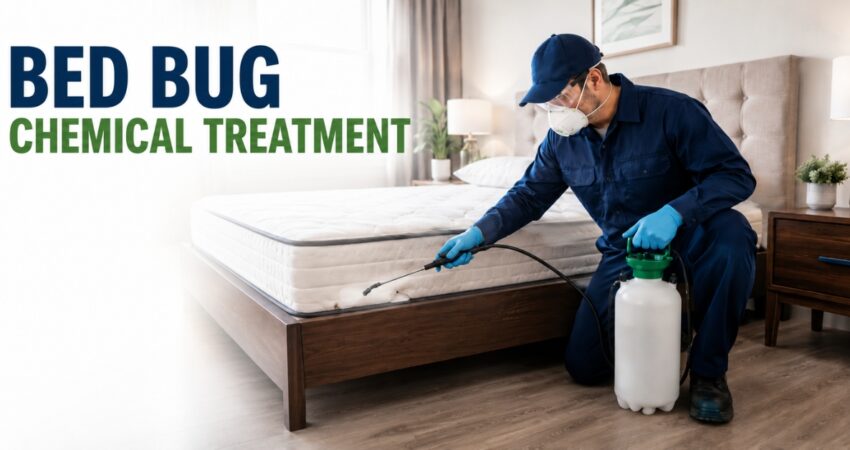
Finding bed bug eggs in your home or business is a strong indication that an active infestation may be developing. These eggs are extremely small, carefully hidden and attached to surfaces, making them difficult to identify and remove without professional help.
Effective professional bed bug treatment must target the full infestation rather than only the insects that can be seen. Adult bed bugs, young bed bugs and newly hatching insects may be hiding throughout the affected room.
Our bed bug pest control service uses a detailed inspection followed by targeted professional chemical treatment. Where appointments are available, customers may also request same-day bed bug removal to begin dealing with the infestation as quickly as possible.
Same-day service means that inspection or initial treatment may be provided on the day of booking. Complete eradication may require more than one professional visit, depending on the size and severity of the infestation.
What Do Bed Bug Eggs Look Like?
Bed bug eggs are difficult to see because they are only around 1 millimetre in length. They are usually pale white or pearly in colour and have an elongated oval shape.
Freshly laid eggs may appear slightly translucent. As they develop, they can become more visible under close inspection.
Common characteristics include:
- Approximately 1 millimetre in length
- Pearly white or off-white colour
- Oval or elongated shape
- Often attached firmly to a surface
- Usually found in protected cracks or crevices
- May appear individually or in small groups
- Difficult to see without close examination
Female bed bugs use a glue-like substance when laying eggs. This helps the eggs remain attached to furniture, fabric, wood and other surfaces.
Because of their size and placement, simply wiping the visible surface may not reach the full infestation.

Where Do Bed Bugs Lay Their Eggs?
Bed bugs prefer dark, protected hiding places close to where people sleep or remain seated for extended periods.
The most common hiding locations include:
- Mattress seams and labels
- Bed-frame joints
- Divan bases
- Headboards
- Bedside cabinets
- Drawer joints
- Upholstered furniture
- Sofa seams
- Skirting boards
- Floor edges
- Cracks in walls
- Loose wallpaper
- Behind wall-mounted pictures
- Around electrical fittings
- Inside gaps in wooden furniture
- Under loose flooring
- Behind decorative panels
Bed bugs may spread beyond the bed when an infestation becomes established. Eggs may then be found inside wardrobes, living-room furniture, neighbouring bedrooms and other protected areas.
This is why professional inspection should not focus only on the mattress.
Why Are Bed Bug Eggs So Difficult to Eliminate?
Bed bug eggs present several challenges.
First, their small size allows them to remain hidden in extremely narrow spaces. Second, their pale colour can make them difficult to identify against light fabrics, wood or painted surfaces. Third, the adhesive material surrounding the eggs helps them remain attached.
Some insecticide applications may not immediately penetrate every egg. Newly hatched bed bugs may therefore appear after the first chemical treatment.
A successful programme must account for:
- Hidden eggs
- Active adult bed bugs
- Young bed bugs
- Newly hatched insects
- Previously unidentified harbourage areas
- Movement between rooms
- Potential insecticide resistance
- Reintroduction from untreated belongings
For this reason, bed bug pest control should be carried out as a structured programme rather than a quick surface spray.
Can You Remove Bed Bug Eggs Yourself?
Attempting to handle a bed bug infestation without professional knowledge can make the situation more difficult.
Shop-bought sprays may only reach visible areas. Bed bugs can remain hidden behind furniture, inside bed frames, beneath flooring and within other narrow gaps.
Incorrect pesticide application can also create unnecessary risks for residents, children, pets and employees. Applying excessive amounts does not make treatment more effective.
DIY treatment may result in:
- Untreated hiding places
- Surviving eggs
- Bed bugs moving into other rooms
- Incorrect chemical application
- Exposure to unsuitable products
- Delays in professional treatment
- A recurring infestation
- Additional treatment costs
Professional bed bug treatment provides a safer and more structured approach based on inspection, approved products and follow-up monitoring.
How Professional Bed Bug Chemical Treatment Works
A professional bed bug chemical treatment begins with a detailed survey of the affected property.
The technician looks for:
- Live bed bugs
- Bed bug eggs
- Shed skins
- Dark faecal spotting
- Blood marks
- Known hiding places
- Signs of activity in adjoining rooms
- Possible routes of movement
The findings are then used to create a treatment plan for the property.
1. Detailed Bed Bug Inspection
The technician examines beds, surrounding furniture, skirting boards, upholstered items and other potential harbourage areas.
The purpose is to determine:
- Whether bed bugs are present
- Which rooms are affected
- How far the infestation has spread
- Where chemical products should be applied
- Whether adjoining rooms require inspection
Accurate inspection is essential because treating only one visible area may leave the main infestation untouched.
2. Property Preparation
Customers receive preparation instructions before treatment.
Depending on the property, these instructions may include:
- Removing loose items from floors
- Providing access to walls and furniture
- Emptying bedside cabinets
- Moving furniture only when instructed
- Sealing specified belongings in bags
- Removing pets from treatment areas
- Protecting food and personal-care products
- Informing the technician about vulnerable occupants
- Arranging access to every affected room
Do not transfer loose belongings from an infested room into an unaffected area. This may spread bed bugs and eggs throughout the property.
3. Targeted Chemical Application
The technician applies professional-use insecticides to selected areas where bed bugs hide, travel or are likely to emerge.
Depending on the inspection findings, treatment areas may include:
- Bed frames
- Divan bases
- Headboards
- Mattress edges where legally and technically appropriate
- Bedside furniture
- Skirting boards
- Furniture joints
- Floor edges
- Cracks and crevices
- Upholstered furniture
- Other identified harbourages
Products must be selected and applied according to their approved labels and professional safety procedures.
4. Residual Bed Bug Control
Professional chemical treatment may use residual insecticides that remain active on treated surfaces for a specified period.
When newly hatched bed bugs move across a correctly treated area, they may come into contact with the insecticide.
Customers should not wash, wipe or interfere with treated surfaces unless advised by the technician. Doing so may reduce the effectiveness of the residual treatment.
5. Follow-Up Inspection and Treatment
A follow-up visit is often an essential part of professional bed bug pest control.
During this visit, the technician checks for:
- Remaining live activity
- Newly hatched bed bugs
- Untreated hiding places
- Movement into other rooms
- Evidence that preparation instructions were followed
- Areas requiring additional chemical application
Further targeted treatment may then be completed where necessary.
Does Chemical Treatment Kill Bed Bug Eggs?
Professional chemical treatment is designed to control the overall infestation, including insects emerging from hidden eggs.
However, no responsible pest controller should promise that every concealed egg will be immediately destroyed by a single chemical application.
Some eggs may hatch after the first visit. Residual insecticide and follow-up treatment are therefore used to target emerging bed bugs before they mature and reproduce.
The effectiveness of the treatment depends on:
- Correct identification
- Thorough inspection
- Suitable product selection
- Accurate chemical application
- Access to affected areas
- Customer preparation
- Avoidance of interfering DIY products
- Completion of follow-up visits
This is why a complete treatment programme is more reliable than a one-off spray.
Same-Day Bed Bug Removal: What Does It Mean?
When bed bugs are discovered, customers naturally want the problem dealt with immediately.
Our same-day bed bug removal option means that, subject to technician availability and property access, we may be able to begin the inspection or initial chemical treatment on the same day.
Same-day service may include:
- Initial telephone assessment
- Urgent property inspection
- Confirmation of bed bug evidence
- Preparation guidance
- Initial chemical application
- Scheduling of required follow-up visits
Same-day treatment should not be confused with guaranteed same-day eradication.
The time needed to control an infestation depends on:
- Number of affected rooms
- Severity of the infestation
- Property size
- Level of preparation
- Number of hiding places
- Whether neighbouring rooms are affected
- Previous unsuccessful treatments
- Requirement for follow-up chemical applications
Clear and realistic information protects customers from misleading guarantees.
Why One Bed Bug Treatment May Not Be Enough
Bed bugs reproduce and develop through several life stages. Hidden eggs may hatch after the first visit, particularly when they are located deep within cracks or furniture joints.
Follow-up treatments help interrupt the infestation before newly hatched bed bugs can mature.
A professional programme may involve:
- Initial inspection
- First chemical treatment
- Monitoring period
- Follow-up inspection
- Additional targeted chemical application
- Final assessment
The exact number of visits depends on the property and the response to treatment.
Avoid using separate sprays between professional visits unless your technician specifically instructs you to do so. Additional products can interfere with the treatment programme and may move bed bugs into untreated areas.
Residential Bed Bug Pest Control
Bed bugs can affect any residential property, regardless of cleanliness.
They may be introduced through:
- Travel luggage
- Used furniture
- Clothing
- Visitors
- Shared accommodation
- Movement between neighbouring flats
- Deliveries
- Temporary accommodation
Our residential bed bug pest control service is suitable for:
- Houses
- Flats
- Apartments
- Rental homes
- Student accommodation
- Houses in multiple occupation
- Residential blocks
- Supported accommodation
In shared buildings, prompt reporting is particularly important because bed bugs can move between rooms or neighbouring units.
Commercial Bed Bug Chemical Treatment
Bed bugs can cause serious operational and reputational difficulties for businesses.
We provide professional chemical treatments for:
- Hotels
- Hostels
- Guest houses
- Serviced apartments
- Care homes
- Student residences
- Offices
- Staff accommodation
- Property-management companies
- Landlords
- Housing providers
Commercial treatments can be planned around access, occupancy and business operations.
Clear reporting can also help property managers maintain records of inspections, treatment areas, follow-up visits and customer preparation.
What to Do Before the Exterminator Arrives
Follow the preparation sheet issued by your pest controller. Requirements may vary according to the property and the products being used.
General preparation may involve:
- Keeping all affected rooms accessible
- Removing clutter from floors
- Emptying specified drawers and cupboards
- Moving beds away from walls when instructed
- Keeping furniture inside the affected room
- Sealing selected belongings
- Removing animals from the property
- Covering or removing exposed food
- Informing the technician about allergies or health concerns
- Arranging for residents to leave during application
Do not discard beds, mattresses or furniture without advice. Moving infested items through hallways or communal areas can spread bed bugs and eggs.
What to Do After Chemical Treatment
After the chemical application:
- Remain outside for the advised period
- Follow all re-entry instructions
- Ventilate the property when directed
- Avoid cleaning treated surfaces
- Do not move untreated items between rooms
- Avoid applying other insecticides
- Monitor for signs of activity
- Attend every scheduled follow-up visit
- Contact the technician if activity increases or spreads
You may continue to notice some activity shortly after treatment. This does not automatically mean that the programme has failed. Your technician should explain the expected response and when follow-up action is required.
Why Choose Professional Bed Bug Treatment?
Choosing a professional service provides:
- Accurate pest identification
- Detailed property inspection
- Professionally selected insecticides
- Targeted chemical application
- Appropriate safety instructions
- Residential and commercial treatment
- Follow-up inspections
- Structured reporting
- Practical customer guidance
- A treatment plan adapted to the infestation
The objective is not merely to spray the visible bed. It is to locate and treat the infestation systematically.
Book Professional Bed Bug Treatment Today
Have you found bed bug eggs, dark spotting, shed skins or live bed bugs?
Do not wait for the infestation to spread.
Contact our bed bug pest control team to arrange a professional inspection and bed bug chemical treatment. Subject to availability, we may also provide same-day bed bug removal services for urgent residential and commercial infestations.
Our technician will assess the property, explain the treatment plan and advise whether follow-up visits are required.
Book your professional bed bug treatment today and take the first step towards controlling the infestation.
Frequently Asked Questions
What is the best way to eliminate bed bug eggs?
Professional inspection and a structured chemical treatment programme provide a reliable way to control an infestation. Follow-up treatments may be needed to target bed bugs that hatch after the first application.
Can insecticide kill bed bug eggs?
Some professional products may affect eggs, but concealed eggs can survive an initial application. Residual treatment and follow-up visits target newly hatched bed bugs.
Can I see bed bug eggs?
Bed bug eggs are approximately 1 millimetre long and pale in colour. They can be difficult to see without close inspection.
Where are bed bug eggs usually found?
They are commonly found in mattress seams, bed frames, headboards, furniture joints, skirting boards and protected cracks near sleeping areas.
Can you remove bed bugs on the same day?
Subject to availability, an inspection or initial chemical treatment may begin on the same day. Full control may require follow-up treatments.
Is one chemical treatment enough?
Not always. The number of treatments depends on the infestation, property size, preparation and the presence of hidden eggs.
Should I use a shop-bought spray before professional treatment?
Avoid applying separate pesticides unless advised by your technician. Incorrect products may spread bed bugs or interfere with the professional programme.
Do I need to throw away my mattress?
Not necessarily. Ask the technician to inspect it before deciding whether disposal is appropriate.
Is chemical bed bug treatment safe?
Professional-use insecticides must be applied according to authorised instructions. Customers must follow preparation, exclusion and re-entry guidance supplied by the technician.