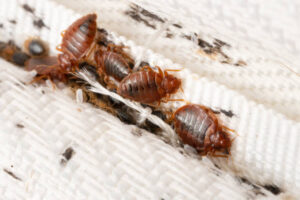
Mild infestations require a lot of time inspecting beds, chairs, and other areas, only to find one or two bed bugs. Severe infestations, on the other hand, can be quickly identified by entering the room and seeing clusters of bed bugs on the ceilings, in the corners, or under the bedspreads. However, the key is to identify as many areas of bed bug infestation as possible so that treatment strategies can be more specific and effective.
Introduction to Bed Bug Infestations in East London
Bed bugs East London inform you of some of the treatment strategies, which sometimes need to be combined for greater effectiveness:
Exclusion
Preventing bed bugs from entering homes, workplaces, or hotels should be a goal of any bed bug control program. This is primarily achieved through training for property owners and cleaning staff. Online, you can find fact sheets and videos on how to identify bed bugs, how they enter homes or businesses, and travel tips.
Surveillance
Bed bugs are introduced and found in hidden areas. However, installing interception devices under the legs of beds, sofas, and chairs can help trap them. A proactive inspection service can also be performed as part of a monitoring program.
In apartments and hotels, it’s standard practice to inspect a certain number of units for pests each service. By lifting two corners of the bedding and inspecting the edges of the mattress for fecal stains, remnants of clothing, and insects, you can quickly see whether or not bed bugs are present.
Chemical Treatments
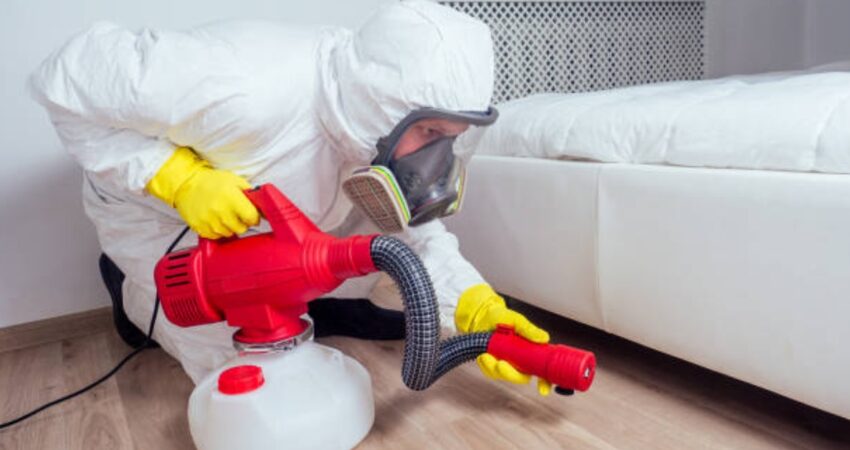
Unlike 20 years ago, when bed bugs began to re-emerge as a pest, today there are many conventional chemical products, such as liquids, contact sprays, and powders, that are recommended for bed bugs. These products are applied to areas where bed bugs may travel to reach a food source or a hiding place.
However, pesticide resistance must be taken into account. Recent studies have shown bed bug populations resistant to pyrethrins, pyrethroids, neonicotinoids, and diatomaceous earth. Repeated use of the same product and active ingredient will help select for susceptible individuals and create a resistant population. Selecting products with different chemical compositions can prevent the development of resistant bed bug populations.
Cases
Mattress and pillow covers trap bed bugs, preventing them from feeding and disrupting their habitat. Some mattress covers are also impregnated with a pesticide.
Biological Strategies
Biological control strategies are not typically considered for bed bugs. However, a biopesticide containing spores of the fungus Beauveria bassiana is available in the USA. Like many conventional pesticides, the product is placed in areas where bed bugs may travel. The spores come into contact with the bed bugs and are carried to their hiding places, where the biocidal effect takes place.
Cryotherapy
This cold application treatment leaves no residue and is a one-time treatment. The extreme cold applied to fabric seams freezes and kills bed bugs in the area. This can be used instead of conventional pesticides or for customers who refuse chemical applications.
Heat
The heat, meanwhile, raises the ambient air to a temperature lethal to bed bugs and can reach areas where conventional pesticides cannot be easily applied. It’s important to note that high temperatures can damage other elements or activate fire suppression systems.
Sulfuryl Fluoride
Sulfuryl fluoride can be used to fumigate structures, containers, and vehicles for bed bugs. Fumigating large residential complexes and hotels may be the best way to resolve a heavily infested structure quickly. Additionally, fumigation may be the only option for customers with bed bug-infested electronic equipment, as the heat or liquid pesticides could damage the electronics.
Final Reflections
Choosing strategies to combat bed bugs can sometimes be difficult for pest control company technicians. One option would be the application of pesticides, the use of covers, and the physical removal of bed bugs by vacuuming; however, an alternative service that includes fumigation, heat, extreme cold, and/or fungal spores may be desirable instead of traditional pesticide applications. Bed bugs removal combine physical and chemical treatments in all infested spaces and items (furniture, mattresses, clothing, cracks, curtains, lamps, etc.). In this way, the blocking time of hotel rooms or infested areas is reduced to less than 48 hours.